Machine vision lenses are very crucial in most of the machines and equipment that we use every day. They assist us in understanding things, for example, in factories and medical equipment, or university research labs. These lenses, however, aren’t even close to the rest of the machine; given a little bit of care and attention, they perform exactly as one would hope. We know how important it is to keep industrial lens in good condition, so we share some simple ways on how you can take care of them. There are a few things you can do to extend the life of your lenses and keep them in good condition.
How to Look After Your Industrial Lenses?
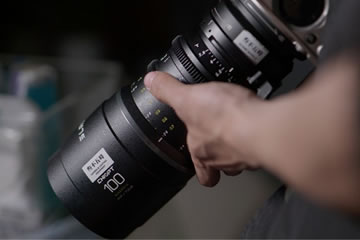
Protecting industrial lenses starts with determining what they are and do they work. Always keep your fingers clean or wear gloves when handling lenses to ensure that you do not get oil from your skin on the lenses. And it’s nice to have a spot where dust or dirt won’t invade when you are cleaning your lenses. To clean loose dirt off the lens, wipe with a soft lint cloth or apply and rub gently with your finger, as in the Example image. Never use paper towels or anything rough, as it can scratch the surface. So if you feel that you need extra cleaning power, I’d suggest making your cloth a little bit damp (not soaking) and then using it; don’t compromise by spraying liquid on your lens. This process helps avoid moisture build-up in your gear.
It is always a good idea to visually check the lenses from time to time for wear or damage. Check for scratches, chips, or fogginess. You can either be prepared, or you can get caught out — if you notice a problem, deal with it now rather than when everything has already gone off the rails. Schedule cleaning and checks on a weekly or monthly basis, depending on your dormancy level. Some organizations even have a logbook to track maintenance. That is how you will be able to detect patterns of malfunctioning in the performance of your lens and help decide when it may need service. Also, don’t forget about storage! When not in use, lenses should be stored in a lens case to avoid accidental drops or scratches. If you stay clear of those habits, your industrial lenses ought to be in good shape and ready to work.
Maintenance Tips
Here are a few more tricks for keeping quality lenses in good working condition. First of all, ensure that your lenses are stored in a cool as well as dry place. They can become damaged by extreme temperatures, so don’t leave them in hot cars or near heaters. Wash your lenses immediately if they are exposed to chemical substances or tough elements. This may help avoid long-term damage.
Another huge tip is to get your staff trained on how to take care of the lenses and clean them. There should be training for everyone who enters the room and what best practice is, so that in the future they’ll be handled with care”. It’s probably not a bad idea to have at least one maintenance kit on hand. The whistle kit most likely consisted of a soft cloth, a cleaner for the lenses, and perhaps a little pin or key to dislodge anything that got in there. Keeping this kit in one place should increase the odds that you’ll take care of such matters when they happen.
Finally, consider scheduling professional maintenance. And sometimes, they said, inspectors from CHIOPT can help with a more thorough inspection or cleaning. They can spot problems that the untrained eye cannot. If something feels wrong, go to a certified mechanic with regular maintenance – you’ll have less downtime and save cash in the long term. You will preserve the life of your industrial lens , and they’ll continue running nicely when applying these caring techniques to take care of them.
Maintenance Supplies for Industrial Lenses
A set of industrial lenses is a valuable purchase, so keeping up with them is equally essential. At CHIOPT, we know the value of goods and supplies. First, you need cleaning supplies. Clean lens with a clean, grease-free cloth. This helps to avoid scratches. You may also clean with special lens cleaner for industrial lenses. It is successful for removing dirt, dust, and fingerprints. Just don’t use regular glass cleaner, which might harm the lens.
Second, you would have to have tools to test and adjust the lenses. You must use a set of screwdrivers when you want to open or close the lens system. You might also need a calibration aid. Here is one method to bet the lenses are at their optimum functioning. Lenses can become misaligned, and there are tools out there to fix this.
Lens storage is another critical factor to consider in lens care. Keep the lenses in a safe position when you no longer use them. You may want to invest in a protective case. This way, they’re dust-covered, and you can’t accidentally damage them. If you are transporting the lenses, make sure they’re well-packed. Foam padding or a hard box can also be helpful for helping to keep them safe as you travel.
And, finally, periodic check-ups should not be ignored. It’s a good idea to check your lenses for signs of wear or damage regularly. A list is something other than a blank spot for checking off items; if so, it can keep you from omitting to think about something you need. With the correct cleaning supplies, you will be able to keep your industrial lenses in immaculate condition for years.
How often should I have my industrial lenses serviced for the best results?
If you want your industrial lenses to work in the best manner possible, regular maintenance is a definite thing. We recommend every six months here at CHIOPT. It is a great way to catch problems early. As long as you’re checking out the noise and vibration, inspect it for scratches, dirt, or indications that it’s worn. “If there’s anything unusual, have it examined.”
There are three things that can make you need to service your lenses more. In the event you do use the lenses in an extremely dusty or dirty environment, general cleaning is required every three months. And, again, if you wear the lenses for hours on end each day, presumably the lenses can experience more breakdown. For these, regular checks help to make sure they are safe and work as they should.
And it’s also important to follow the manufacturer’s guidelines. You might have to take a variety of measures for different kinds of lenses, so make sure to read any instructions that come with them. There’s no right answer to how often you should service your lenses, though; talk to a pro for the expert opinion. Based on the way you use the lenses, they can help you figure out the schedule.
Regular maintenance also allows you to avoid expensive repairs and extends the life of your lenses. You could also keep a record of the service date so you can see at a glance when your lenses were last serviced and when they need their next inspection. Here at CHIOPT, however, we know the little stuff can go a long way.
What is the price for Commercial Lens Repair and Service?
AllBusiness is interested to learn about the costs for cleaning or repairing industrial lens . Our goal at CHIOPT is to work with your budget. The first cost to be seriously considered is the regular maintenance and repairs. It includes cleaning equipment, which are the accessories to help keep your lens in top condition. You’re probably going to spend something monthly on these things. Anyway, that might be a small consolation over time.
And second, professional maintenance costs do, too. If you pay someone to examine and clean your lenses, that’s time and experience that somebody else needs to be paid for. Price is dependent on where you live and the pro’s experience level. However, you should not be paying more than $100 to $300 every six months for a complete servicing in most cases. But if you address problems early, they may cost less in the long run.
Another expense to consider is repairs. A broken lens, on the other hand, is something you may actually have to work to get fixed or replaced. Repair costs can vary widely. A small scratch may be a $50 repair, but a larger problem could cost hundreds or thousands of dollars. It’s a smart idea to request a quote before starting any repairs.
Lastly comes the price of downtime. If a lens is off for repair, you may not be able to use it, which can be detrimental to your business. It may cost them money, so you don‘t want your lenses to end up falling apart like that. At CHIOPT, you know we believe in the maintenance cost being worth every cent to help your lenses last like new.


0 Comments